
Nestled quietly in the northwest corner of Arlington, Virginia, the Old Glebe neighborhood is often overshadowed by its bustling neighbors like Rosslyn and Ballston. Yet those who know Old Glebe quickly discover that it is one of Arlington’s most historic and endearing communities, dotted with leafy streets, enduring landmarks, and a heritage that stretches back centuries. As a longtime resident, I’m always delighted to share the unique story of Old Glebe—a place where the past feels very much alive.
Old Glebe’s Beginnings: From Colonial Times to Community Roots
The origins of Old Glebe can be traced to the colonial era, long before Arlington County even existed. Back in the mid-18th century, this swath of land was known as “Glebe lands,” property set aside to support local Anglican churches and their clergy. The very word “glebe” means land yielding revenue for church parishes—a practice brought from England to the Virginia Colony.
The area we now call Old Glebe arose from the land owned by the Truro Parish, one of the earliest Anglican congregations in Northern Virginia. This land, and the parsonage built upon it, quickly became a focal point for settlers, serving both religious and social purposes.
How Old Glebe Got Its Name
The name “Old Glebe” is a direct echo of this heritage. The “glebe” house, built around 1775, stood at the heart of what is now North Glebe Road, near the intersection with 36th Street North. Period maps and early Arlington records reference “the Glebe,” and for many years the house served as both a home to ministers and as a makeshift gathering place.
Even as generations passed and the area evolved from pastoral farmland to suburban neighborhood, the name endured—a loving nod to its ecclesiastical beginnings.
Key Historical Milestones
Old Glebe is a microcosm of American history, witnessing transformation after transformation:
- Revolutionary War: While no major battles occurred in Arlington, the area’s residents were deeply affected by the events of the time. The original glebe house was reportedly plundered several times by various troops and was a refuge for families fleeing war.
- Civil War Era: The community’s proximity to Washington, DC, meant it was heavily impacted by Union occupation. Many area roads, including present-day Military Road, were constructed or expanded to help Union forces move between forts.
- 1900s Suburban Growth: In the early 20th century, new roads and streetcar lines made Arlington accessible, and land parcels of Old Glebe were gradually subdivided for housing. Statuesque single-family homes popped up along streets like North Glebe Road, North Dittmar Road, and Chesterbrook Road—a building boom that shaped much of the neighborhood’s graceful character.
- Preservation Efforts: In the 1970s and 1980s, as Northern Virginia burgeoned, Old Glebe’s residents fought to preserve the area’s special sense of place. Civic activism led to the creation of Old Glebe Civic Association, which still plays a pivotal role in local heritage and community events.
Notable Landmarks and Buildings
No discussion of Old Glebe would be complete without shining a spotlight on some of the remarkable sites that anchor the neighborhood:
- The Glebe House: Located at 4527 17th Street North, this building is one of the oldest standing structures in Arlington. Though much altered and expanded over time, part of its core dates to the 1850s, with oral history suggesting remnants of the 18th-century glebe house remain. It is listed on the National Register of Historic Places.
- Madison Community Center: A former public school turned community hub, the Madison Center at 3829 North Stafford Street hosts yoga classes, meetings, voting, and more. Its enduring Colonial Revival architecture lends a timeless feel to the neighborhood.
- Glebe Road Baptist Church: Opened in 1953 at the corner of North Glebe Road and Little Falls Road, this church reflects the continuation of religious life in Old Glebe, even as the population has become more diverse.
- Chains Bridge Road and Military Road: Two of Arlington’s oldest thoroughfares, these roads were essential during wars and are now beloved commuter routes lined with mature oaks.
Parks, Green Spaces, and Community Life
Despite its proximity to city life, Old Glebe has always treasured its natural beauty.
- Gulf Branch Nature Center and Park: A true urban oasis, Gulf Branch Park, with its winding trails, historic log cabin, and interactive nature center, draws families, hikers, and birders alike. Walking through its woods is like stepping back in time to when Arlington was mostly forest and farmland.
- Fort Ethan Allen Park: This small but significant park off Old Glebe Road preserves the earthworks from a Civil War fort. Interpretive signs offer a glimpse into Arlington’s wartime experience.
- Potomac Overlook Regional Park: Just across the neighborhood’s northeastern ridge, this 67-acre preserve is a haven for wildlife and a source of pride for Old Glebe residents.
The Neighborhood Today: Evolving Traditions
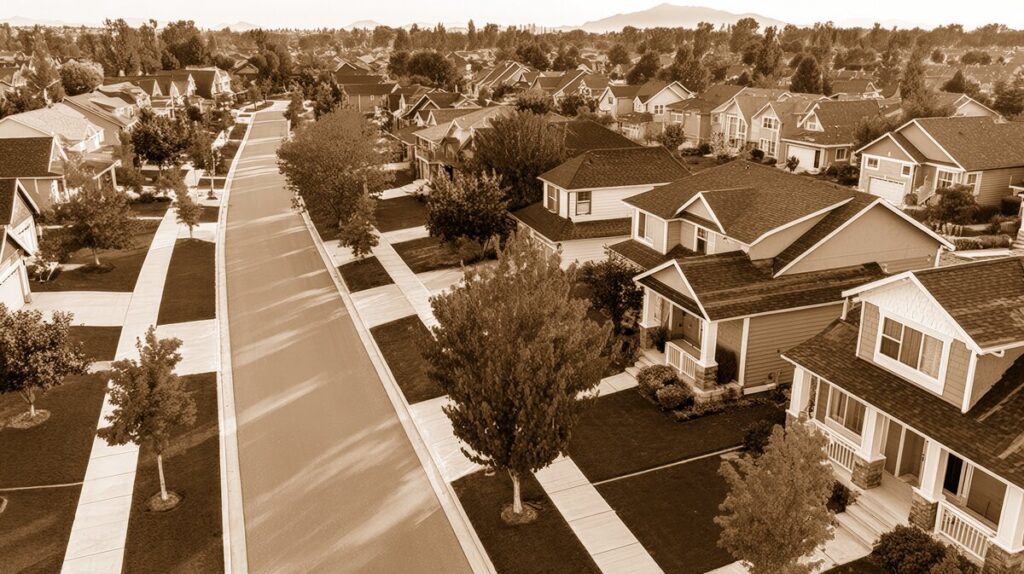
Today’s Old Glebe is a vibrant, welcoming place that balances modern needs with a deep appreciation for its history. Grand brick colonials share streets with mid-century ramblers and newer, carefully integrated homes. Residents—old-timers and newcomers alike—are drawn to the area’s tranquil, friendly vibe, the towering trees that line streets like Randolph, Dittmar, and Vermont, and the annual gatherings that bring neighbors together.
Institutions like Jamestown Elementary School anchor community life and reflect Old Glebe’s family-friendly spirit. The Old Glebe Civic Association, one of Arlington’s most active, coordinates heritage events, potlucks, and tree-planting initiatives, ensuring that the neighborhood’s legacy is honored and its future kept bright.
Why Old Glebe Feels Like Home
Ask any resident, and they’ll tell you—what makes Old Glebe truly special is its balance of history and heart. Here, it’s perfectly normal to wave at neighbors from your front porch, take a stroll through Gulf Branch’s leafy trails, or chat about community news at the Madison Center. Generations have called Old Glebe home, and its sense of belonging runs as deep as its roots.
The past is ever-present here, not as a distant memory but as an ongoing story—one that every resident has a hand in writing. And as Arlington continues to change, Old Glebe stands strong: a living testament to the enduring charm and rich heritage of this unique corner of Virginia.